Argentina Fly Fishing Trips Off the Beaten Tracks: Mobile Safaris in Northern Patagonia
Across the Neuquén and Aluminé basins. Nights in a deluxe mobile camp, a lodge, a hotel or a cabaña, always close to the water, and trout water that rarely sees a fly.
A different map of Patagonia
Most fly fishing trips to Argentina funnel into the same famous valleys of southern Neuquén. The fishing is real, and so are the crowds: boats at the put-ins, guides leapfrogging each other, water that gets fished twice a day or more.
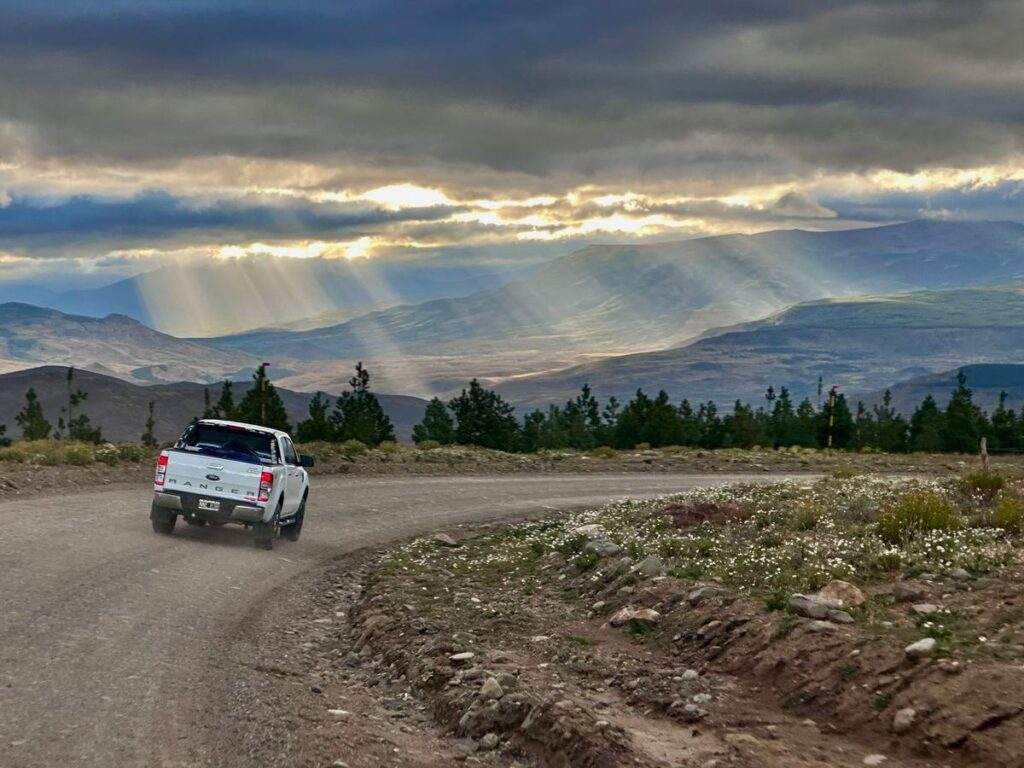
We built Patagonia Trashumante around the opposite idea. Our safaris run through the working cattle country of northern Neuquén, a drier and sunnier corner of Patagonia where ranch roads outnumber boat ramps. Access comes through years of friendship with estancia families.
We deliberately stay away from the big name lodges and the destinations everyone already sells. Why? Because we think fishing and experience is better here, the amount of fish is absurd, and because a group never shares the water, the table or the truck with strangers. On the quality of the fishing and of the service, we hold our own against them.
That part is not something you can buy. We are a local outfit with a local crew, and the families who own the land around this water are neighbours, old friends, in some cases our own. The water is open to anyone. Reaching it is the other story: hours from the nearest bridge, across ranch country, through gates you need permission to open. Out there, meeting anyone other than a gaucho moving stock is a rare thing. We will not pretend to be neutral about it: we believe some of the stretches we keep quiet see fewer anglers in a season than private beats people pay a great deal to fish.
What the safari is made of
The Water
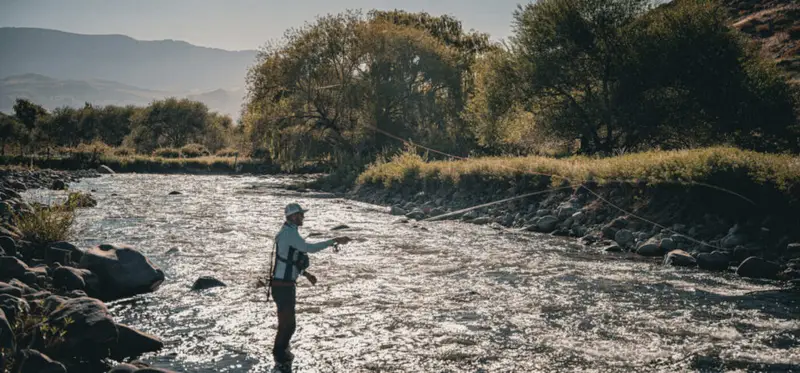
Freestone rivers, spring creeks and canyon pools across the Neuquén and Aluminé basins. Wild browns and rainbows that see a handful of flies a season.
The Nights
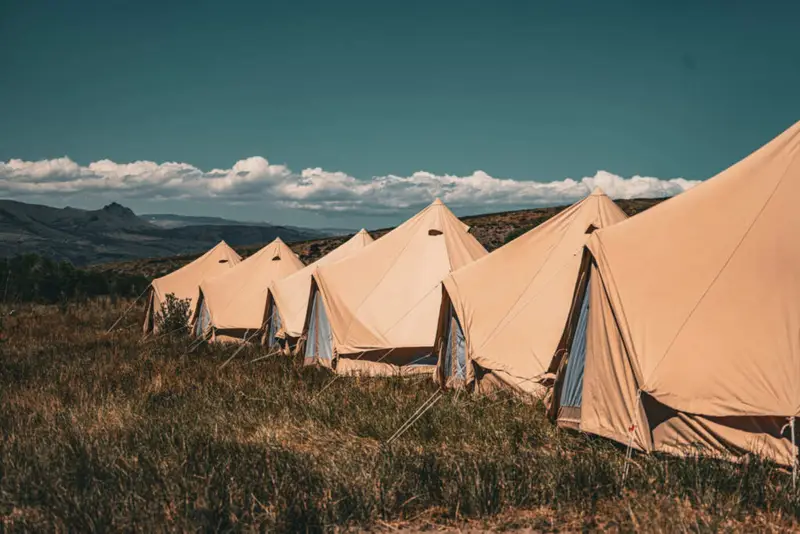
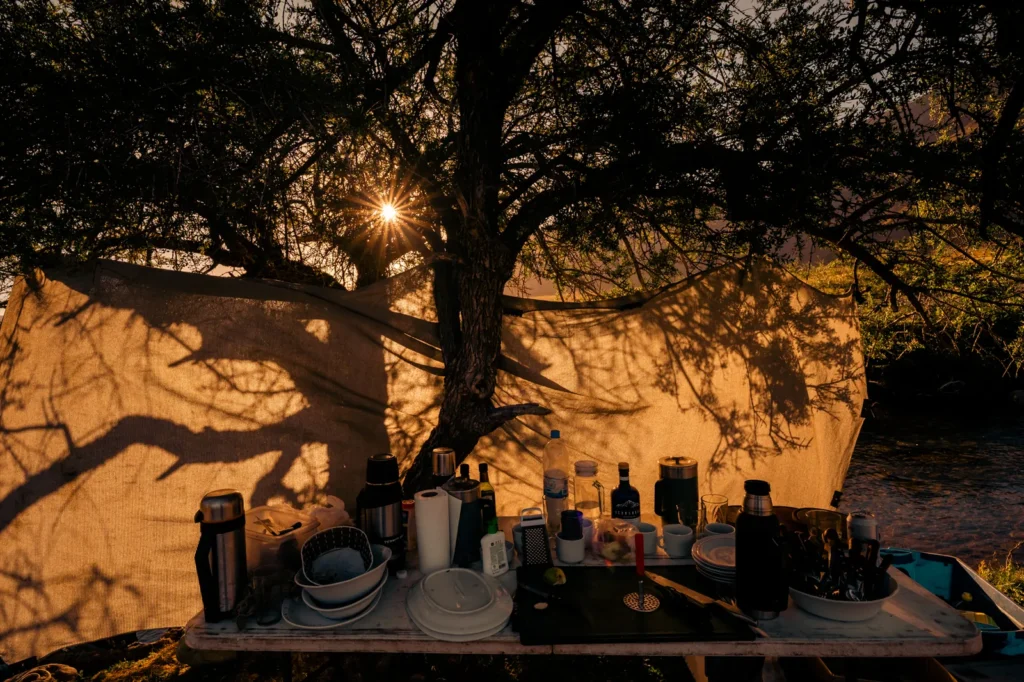
Proper beds under canvas, hot showers and a dining tent set before you arrive. The tents are spacious and every camp has toilets. Other nights, a room in a working estancia, a lodge, a hostería, a hotel or a cabaña. Whatever the night looks like, you sleep close to the water you will fish in the morning.
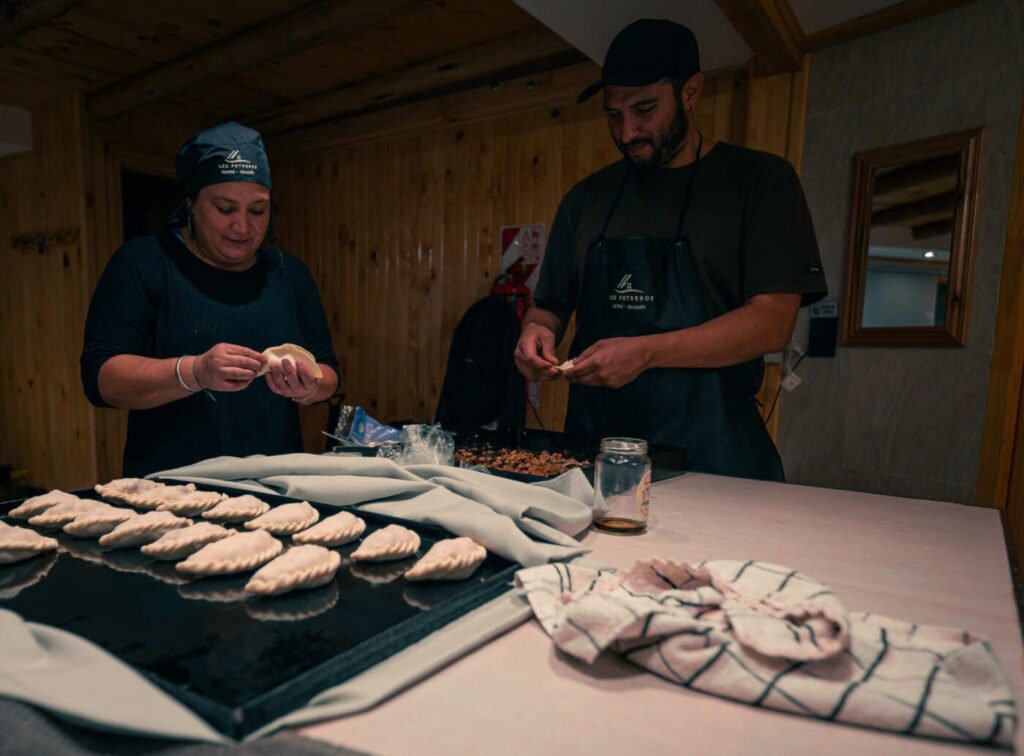
The Table
Asado over open coals, empanadas made that morning, Argentine wines poured by the fire. The table is half the journey.
“You fish. The camp does the traveling.”
How the safari works
All inclusive from the moment you land in Argentina: ground transport, lodging, meals, wines and full guiding. You set the length with us, from a few days to two weeks or more, and we build the route around it. New water every day, and never the same pool twice.
New water
Coffee, a short drive, a stretch chosen the night before.
The long morning
You fish until the asado smoke calls you to the bank.
Second wind
Another run in the evening light, rods down at dark.
The camp moves
While you cast, the trucks leapfrog ahead and rebuild camp on the next river.
Days on the water
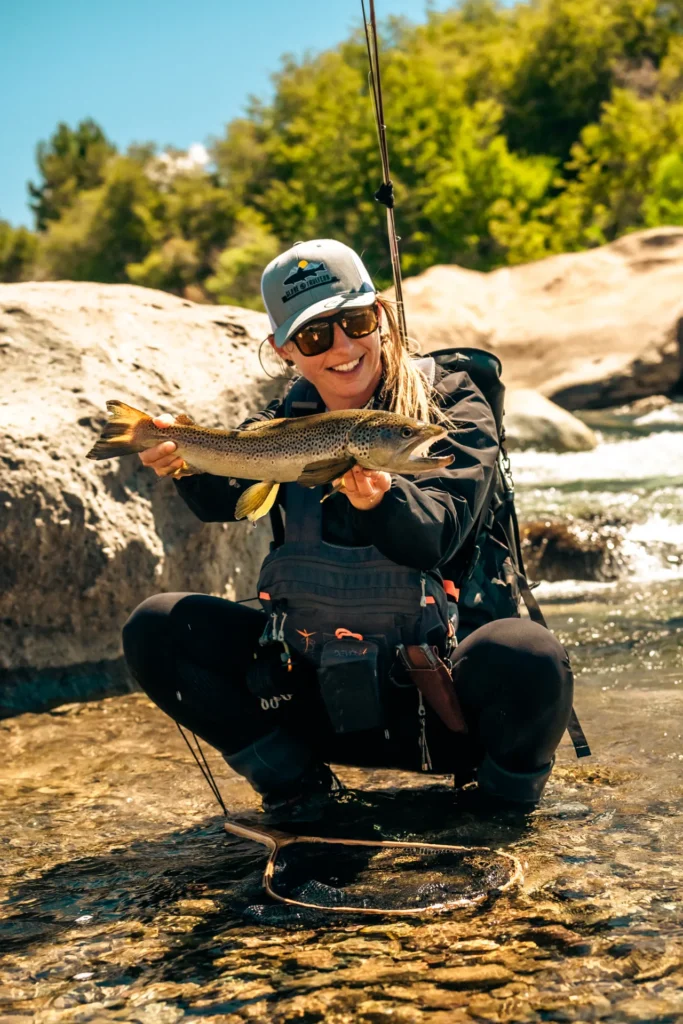
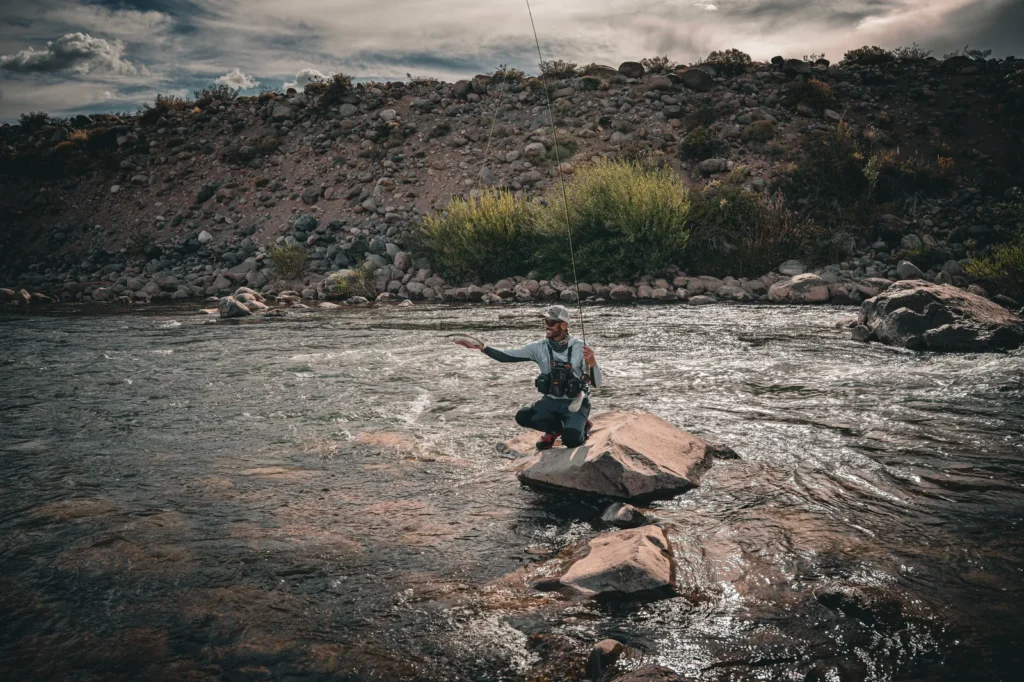
The season, month by month
The northern season opens in November and runs into May, and no two months fish alike. November and December are big water months: rivers running full, fish on streamers and heavy nymphs, afternoons that stretch past nine in the evening. January brings the first true dry fly weather, with beetles and hoppers rattling along the banks and rainbows looking up all day.
February and March are the heart of the safari season. Flows settle, spring creeks turn to glass, and the biggest browns of the year start to move. April and early May close the year with fall color on the poplars, cold mornings, asado smoke at midday and aggressive pre-winter fish that hit like they mean it.
We do not publish hatch charts tied to named waters, and that is deliberate. Tell us the month you have in mind and we will tell you honestly what that time of year usually looks like, and where the camp would take you.
Questions anglers ask us
- When is the season?
- Our safaris run from November through May, and you choose how long you stay. Early season favors streamers and big attractor dries, mid-summer brings terrestrials, and late season belongs to aggressive browns. We help you pick the window that fits how you like to fish.
- How many anglers come on a safari?
- Departures stay small. As a rule we host a single private group at a time, up to six rods plus a host, and beyond that we build something bespoke, which is what keeps the water quiet and the program flexible.
- Will I be roughing it?
- No. You sleep on a real bed, shower hot every evening and eat better than you expect to. The camp is closer to a small lodge under canvas than to anything you would call camping.
- How do I get there?
- You fly into Argentina through Buenos Aires, then take a short domestic connection. We meet you at the domestic airport, already in Patagonia, and handle every mile from there. Exact routing is confirmed when we plan your dates. The full route, airport by airport, is in our guide to getting to northern Patagonia. More practical answers in our FAQ.
- What is the fishing like?
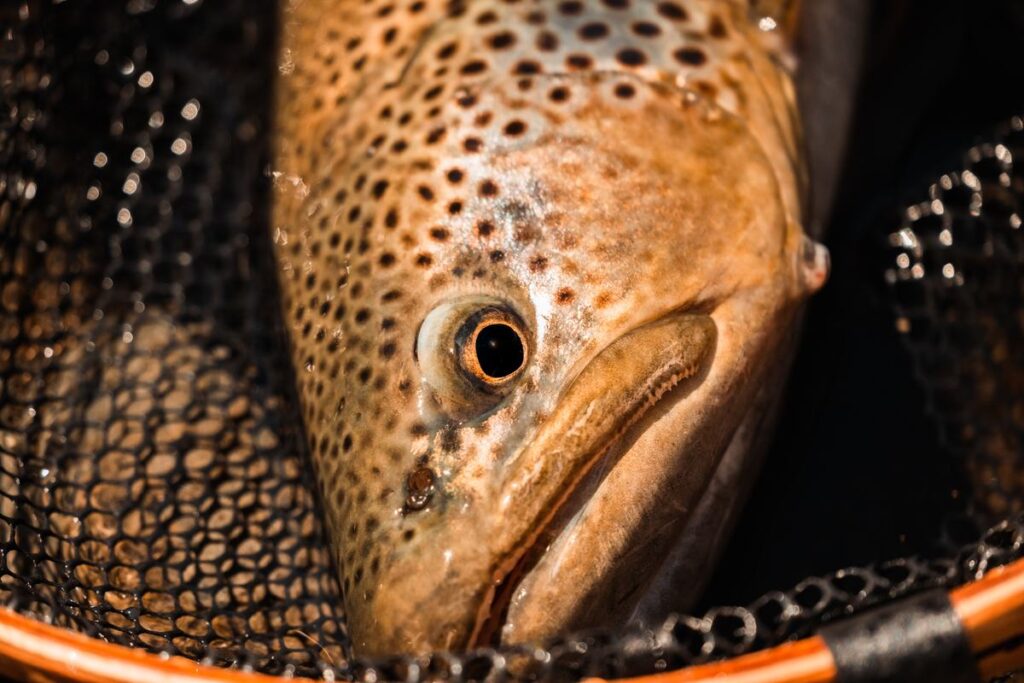
- Wild rainbow and brown trout in freestone rivers, spring creeks and canyon water across the Neuquén and Aluminé basins. Most of it happens on top: dry flies, hoppers and terrestrials through the summer, reading the water as you walk it, matching the hatch when the fish turn fussy. Catch and release, and honest walking between pools.
Water this quiet is worth the trip
Tell us your dates and how you like to fish. We answer personally, usually within a day.
Get the free trip planning guide
A 12 page brochure: the waters we fish, life on the safari, a sample ten day itinerary and how to plan your season. Every trip is different, so treat this one as an example of how a week comes together. Fill in the form below and the download link appears right here.
No spam. One guide, and a few season updates worth reading.